

NewJiLi.NET | The Intricacies of Jueteng: A Closer Look
The Intricacies of Jueteng: A Closer Look
Jueteng, an illegal numbers game popular in the Philippines, continues to thrive despite numerous government efforts to curtail it. This underground game of chance is ingrained in the country's socio-economic fabric, drawing in participants from various walks of life. With its roots deeply embedded in Filipino culture, jueteng operates in a shadowy realm that challenges law enforcement and fuels widespread political debate.
Understanding the Game
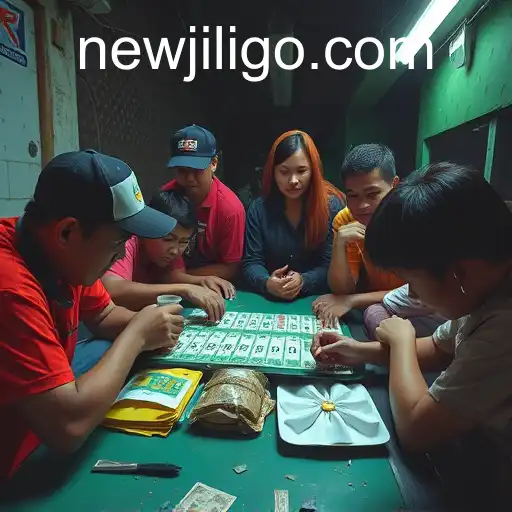
Jueteng is akin to a lottery, but with a much more informal setup. Participants bet on a combination of numbers from 1 to 37, with winning numbers typically drawn twice daily. The game is exceedingly popular due to its simplicity and the potential for modest earnings, making it particularly attractive in economically challenged regions. One of the reasons jueteng persists is its accessibility and the strong sense of community it fosters among players who gather to share tips and strategies.
Socio-Economic Impact
The enduring allure of jueteng is largely tied to its economic impact on local communities. In areas where poverty is rampant and employment opportunities are scarce, jueteng offers a quick escape from financial stress. Small wins can mean the difference between putting food on the table or going hungry. However, the downside is that habitual gambling can lead to deeper financial troubles for those who do not know when to stop.
Additionally, jueteng has significant implications on local economies. The money flowing through this informal sector supports a network of bet collectors, coordinators, and financiers, creating jobs and a pseudo-economic system where official structures may be lacking. Yet, the absence of regulation means that these informal economies can quickly fall victim to exploitation and corruption.
The Political Dimension
The persistence of jueteng is not just an economic issue but also a political one. Politicians and law enforcement officers have been implicated in protecting jueteng operations in exchange for financial benefits. This has created an unholy alliance between officials and gambling lords, undermining efforts to eradicate the activity. Despite numerous crackdowns and high-profile arrests, jueteng continues to flourish due to this cycle of corruption.
Efforts by various administrations to eliminate jueteng have had limited success. This is partly due to the sheer extent of its integration into everyday life in many regions and partly because of the substantial sums of money involved, which incentivize continued complicity among authorities.
Legal Ambiguities
One of the challenges in combating jueteng is the legal ambiguity surrounding similar forms of gambling, such as the government's sanctioned small-town lottery (STL). By providing a legal alternative intended to curb illegal betting, STL aims to fill the same niche as jueteng. However, because STL is perceived as being inefficient and less lucrative, it has not succeeded in diverting bettors away from its illegal counterpart.
The inconsistent enforcement of laws against illegal gambling further exacerbates the problem. In some cases, authorities turn a blind eye, influenced by monetary incentives or political pressure. This muddles the issue even further, making it difficult for genuine reform to take root.
Technological Adaptation
As with many other sectors, technology is reshaping the landscape of jueteng. Websites like NewJiLi.NET have emerged, offering new platforms for gambling. These digital avenues provide the same hallmarks of accessibility and flexibility but with greater anonymity, opening new channels for illegal betting activities.
The rise of online gambling portals complicates the already challenging task of regulation. Cyber law enforcement must contend with the borderless nature of digital platforms, which can easily outpace traditional policing methods. The involvement of technology also introduces questions about data security and transparency, compounding the issue further.
Cultural Perspectives
Despite being illegal, jueteng persists as a cultural phenomenon. It represents more than just a form of entertainment or a path to quick financial relief; it is a social activity that transcends demographic boundaries. The game acts as a bonding agent, a topic of casual conversation, and a shared cultural touchstone among participants.
Initiatives aimed at eradicating jueteng must take into account its deep cultural roots. Efforts focused solely on penalization or hardline tactics are unlikely to gain traction without considering alternative solutions that address both the cultural attachment and the economic necessity it fulfills.
Conclusion
The complexity of jueteng and its impact on Filipino society cannot be overstated. Rooted in economic hardship, political machinations, and cultural traditions, this illegal numbers game poses a multifaceted challenge. Addressing it requires a nuanced approach that goes beyond simple eradication, focusing on sustainable economic development, cultural sensitivity, and stringent legal frameworks. Only then can the phenomenon of jueteng be properly managed, if not completely eradicated.


Google Sitemap